
"coffee by altitude"
30000 article(s) found

High altitude and mellow Costa Rican coffee beans introduce Fire Phoenix Manor in the western valley.
Tarasu, located in the south of the country's capital, SanJos, is one of the most valued coffee growers in the country. LaMinitaTarrazu coffee is a famous local product, but its production is limited, about 72600 kilograms a year. It is grown on a piece of land called LaMinita, which is close to the McAlpine family in the UK.

Introduction of high-quality Costa Rican Tarazhu coffee flavor description, grinding degree, taste, variety and price production area
High-quality Costa Rican coffee is called extra hard beans, and this kind of coffee can grow at an altitude of more than 1500 meters. Altitude has always been a problem for coffee growers. The higher the altitude, the better the coffee beans, not only because the higher altitude can increase the acidity of the coffee beans and thus increase the flavor, but also because the night temperature at the higher altitude is lower, which can make the trees grow slowly.

High quality Costa Rican coffee grindness flavor description method roasting degree characteristics of manor production
High-quality Costa Rican coffee is called extra hard beans, and this kind of coffee can grow at an altitude of more than 1500 meters. Altitude has always been a problem for coffee growers. The higher the altitude, the better the coffee beans, not only because the higher altitude can increase the acidity of the coffee beans and thus increase the flavor, but also because the night temperature at the higher altitude is lower, which makes the trees grow slowly.

Introduction to the Variety characteristics and producing areas of Pacamara Coffee beans in Guatemala
Guatemala Pacamara Coffee Bean Flavor description method Variety characteristics of producing areas introduction to Central American countries such as Stalica, El Salvador, Mexico and Honduras, Guatemala is graded on the basis of altitude. Coffee produced at high altitudes is generally of higher quality than at lower altitudes, because the higher the altitude, the lower the temperature. In the ring at high altitude

El Mercedes Estate Coffee at High Altitude Flavor Description Variety Features Boutique Coffee
El Salvador is located in the north of Central America and is the most densely populated country in Central America. Honduras borders the country to the north, the Pacific Ocean to the south and Guatemala to the northwest. The national economy is dominated by agriculture, with coffee and cotton as the main crops. El Salvador is also one of the birthplaces of ancient Mayan culture, not only with a distant culture, but also with volcanoes, plateau lakes and the Pacific coast.

The importance of coffee planting altitude: does height really determine the quality of coffee beans?
Professional coffee knowledge exchange more coffee bean information follow the coffee workshop (Wechat official account cafe_style) pick up a bag of roasted boutique coffee, you can learn about the beans from its bag: country of origin, region of origin, manor, roasting degree, flavor if it is a bag of single beans, the information on the bag will usually have an altitude.

Introduction to the difference between the flavor and taste of Salvadoran coffee beans
El Salvador coffee beans flavor how price taste differences Central American countries are generally based on the altitude to distinguish the quality of the grade, such as Costa Rica, Guatemala, Mexico, Honduras and other countries. Similarly, El Salvador is graded by altitude. In high altitude areas, due to the cold climate and slow growth of coffee, raw beans

Why does high-altitude coffee taste better? introduction to manor varieties
Why is high-altitude coffee better? secondly, how do we know if the coffee we buy is really high-altitude? Coffee growth and reproduction has specific requirements for environmental conditions, sexual preference for calm wind, cool, shaded or semi-shaded environment. In other words, coffee can not be grown and produced in any environment. In other words, coffee production is regional. Coffee producing areas in the world are mostly distributed in

Flavor description of Costa Rican White Honey Red Kaddura Coffee Bean introduction to Variety treatment
Flavor description of Costa Rican white honey red Kaddura coffee beans introduction to the variety treatment of high-quality Costa Rican coffee is called extra-hard beans, which can grow above 1500 meters above sea level. Altitude has always been a problem for coffee growers. The higher the altitude, the better the coffee beans, not only because higher altitude can increase the acidity of coffee beans and thus increase the flavor.

Costa Rican Tarazu Coffee Bean Flavor description treatment quality and taste characteristics of the manor
Excellent Costa Rican coffee is called extra hard beans, and this kind of coffee can grow at an altitude of more than 1500 meters. Altitude has always been a problem for coffee growers. The higher the altitude, the better the coffee beans, not only because the higher altitude can increase the acidity of the coffee beans and thus increase the flavor, but also because the night temperature at the higher altitude is lower, which can make the trees grow slowly.

The cultivation of Costa Rican boutique coffee beans with unique and strong fragrance, geographical location, climate, simple altitude.
High-quality Costa Rican coffee is called extra hard beans, and this kind of coffee can grow at an altitude of more than 1500 meters. Altitude has always been a problem for coffee growers. The higher the altitude, the better the coffee beans, not only because the higher altitude can increase the acidity of the coffee beans and thus increase the flavor, but also because the night temperature at the higher altitude is lower, which can make the trees grow slowly.
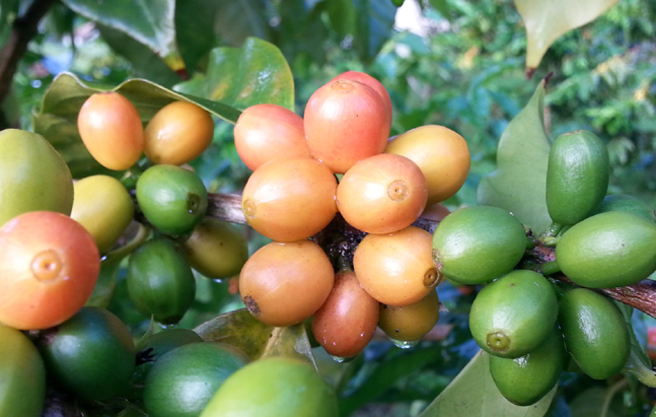
A brief introduction to the flavor of coffee beans in Central and South America
For professional baristas, please follow the coffee workshop (Wechat official account cafe_style) Central America generally refers to the narrow strip of central America south of Mexico and north of the Panama Canal, also known as the Central American Isthmus, including Guatemala, Belize, El Salvador, Honduras, Nicaragua, Costa Rica and Panama, all of which produce coffee.

World Coffee Tour | Guatemala with charming smoky flavor
| planting history Guatemala is located in Central America, which has a unique geographical environment, which is linked to North America in the north and bordering South America in the south. Facing the Caribbean Sea and the Gulf of Mexico, the climate is relatively hot and humid, and it has always been an important coffee producing area in the world. Guatemala knew how to grow and drink coffee as early as 1747, and in 1750, the god Jesuit

San Román Costa Rica, Costa Rica, California
High-quality Costa Rican coffee is known as extra-hard beans and can be grown at altitudes above 1500 meters. Altitude has always been a problem for coffee growers. Coffee beans are better at higher altitudes, not only because higher altitudes increase the acidity of coffee beans and thus enhance flavor, but also because lower night temperatures at higher altitudes can slow tree growth and thus
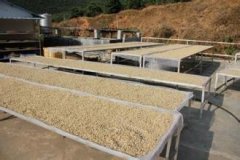
Cultivation of high-quality boutique coffee beans in Saint Roman, Costa Rica, geographical location, climate, altitude
Costa Rican Coffee-Tarrazu in Costa Rica is one of the major coffee producers in the world, with a light and pleasant flavor. Costa Rica, with its fertile volcanic soil and good drainage, is the first country in Central America to grow coffee and bananas for commercial value. Coffee and bananas are the country's main exports. 1729

Introduction to the complex and changeable flavor of Guatemalan coffee and the characteristics of fine coffee in manor producing area
Like Costa Rica, El Salvador, Mexico, Honduras and other Central American countries, Guatemala's classification is based on altitude. Coffee produced at high altitudes is generally of higher quality than at lower altitudes, because the higher the altitude, the lower the temperature. At high elevations, the slower the coffee grows, the more beneficial it will be to good substances.

Charming fragrant Costa Rican Goddess Manor Coffee Flavor description characteristics of Grinding degree introduction of producing areas
High-quality Costa Rican coffee is called extra hard beans, and this kind of coffee can grow at an altitude of more than 1500 meters. Altitude has always been a problem for coffee growers. The higher the altitude, the better the coffee beans, not only because the higher altitude can increase the acidity of the coffee beans and thus increase the flavor, but also because the night temperature at the higher altitude is lower, which can make the trees grow slowly.

The relationship between Coffee and altitude what is the difference in flavor between high altitude and low altitude
The relationship between coffee and altitude the sour taste of shallow roasted coffee can also be defined by technology, that is, the so-called PH value (pH value). The pH reading is from 0 to 14. The higher the value, the lower the acidity and the stronger the basicity. Pure water is neutral, and the pH is 7. The PH value of sour lemon juice is about 2, the PH value of tomato is 4, and the pH value of fresh milk is 6. More than 5. The PH value of coffee drinks is

Introduction to the taste of coffee beans produced in Diamond Hill Manor in Costa Rica
Costa Rica is located in the Central American isthmus at 10 degrees north latitude and 84 degrees west longitude. It is bordered by the Caribbean Sea to the east and the North Pacific Ocean to the west, with a coastline of 1290 km (212km on the east coast and 1016 km on the west coast). Costa Rica borders Nicaragua in the north (309 km long border) and Panama (639 km long border) south-southeast. There are 51100 in total.

Cultivation of high-acidity Tarazhu boutique coffee beans in Costa Rica, geographical location, climate, simple altitude
Costa Rican Coffee Brazilian Coffee Fruit Atlas this coffee producer, with 1/3 of all grades and types of coffee consumed, has a place in the global coffee market. Although the natural disasters faced by Costa Rica are several times higher than those in other regions, it has enough acreage to make up for it. There are many kinds of coffee here, but its industrial policy is